
How Deep Cleaning Can Stop Gum Disease from Progressing
Blog:How Deep Cleaning Can Stop Gum Disease from Progressing
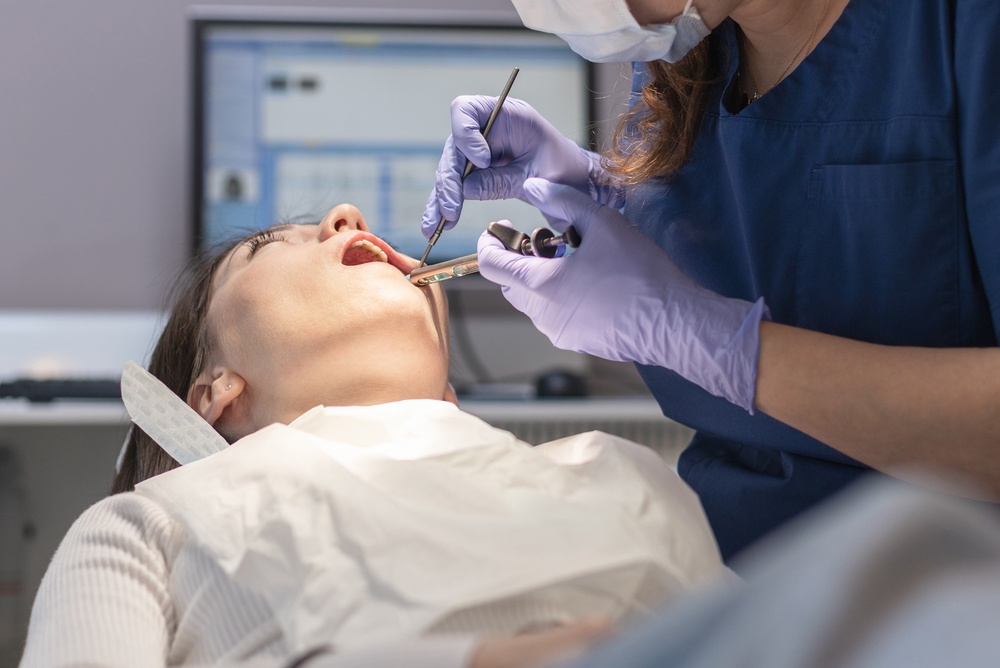
Gum Disease Often Starts Quietly
Gum disease can begin with mild symptoms that are easy to overlook. Bleeding when brushing, swollen gums, persistent bad breath, and gum sensitivity may seem minor at first, but they can be early signs that bacteria and plaque are affecting the tissue around the teeth. Without treatment, gum disease can progress below the gumline and begin damaging the bone and support structures that keep teeth stable.
At Allstar Dental, we help patients in Garden Grove take these signs seriously before they become more advanced.
What Makes Deep Cleaning Different
A deep cleaning is not the same as a regular dental cleaning. Routine cleanings focus on removing plaque and tartar from the visible surfaces of the teeth. Deep cleaning, also called scaling and root planing, goes further by cleaning below the gumline where bacteria collect in deeper pockets around the teeth.
This treatment helps remove hardened buildup from the tooth roots and smooths the root surfaces so the gums can begin to heal and reattach more securely.
How Deep Cleaning Helps Stop Progression
When plaque and tartar stay below the gums, they create ongoing inflammation. Over time, this inflammation can cause gum recession, deeper periodontal pockets, loose teeth, and even tooth loss. Deep cleaning helps interrupt this process by removing the bacteria and buildup that contribute to gum disease.
By addressing the problem early, we can help reduce inflammation, protect the gums, and support better long-term oral health.
Signs You May Need More Than A Routine Cleaning
Some patients do not realize they need periodontal care until symptoms become harder to ignore. A dental exam allows us to check gum pocket depth, tartar buildup, bleeding, and other signs of gum disease.
Common signs that may point to the need for deep cleaning include:
- Gums that bleed when brushing or flossing
- Red, swollen, or tender gum tissue
- Persistent bad breath
- Gum recession or teeth that look longer
- Sensitivity near the gumline
- Loose teeth or changes in the bite
What To Expect During Treatment
During a deep cleaning, we carefully remove plaque and tartar from below the gumline and along the roots of the teeth. Depending on the extent of gum disease, treatment may be completed in sections so we can focus closely on each area of the mouth.
Our goal is to keep patients comfortable while providing thorough care. After treatment, some temporary tenderness or sensitivity is normal, but this usually improves as the gums begin to heal.
Maintaining Results After Deep Cleaning
Deep cleaning is an important step, but ongoing maintenance matters just as much. After treatment, we may recommend more frequent periodontal maintenance visits instead of standard six-month cleanings. These visits help control bacteria, monitor gum health, and reduce the risk of gum disease progressing again.
Good home care also plays a major role. Brushing, flossing, using recommended oral hygiene tools, and keeping up with follow-up visits can help protect the results of your treatment.
To learn more about deep cleaning and gum disease care, contact Allstar Dental in Garden Grove, CA by calling (714) 844-0240.
Helpful Articles
article_category: products
article_category: psychiatry
article_category: faqs
article_category: cats
article_category: general
article_category: services
article_category: technology
article_category: dogs
article_category: restorative
article_category: vision therapy
article_category: contact lenses
article_category: health
article_category: conditions
article_category: eye surgery co-management
article_category: exotic
article_category: cosmetic
article_category: surgical procedures
article_category: aesthetics
article_category: preventative
article_category: ocular disease management
article_category: eyeglasses
article_category: eye health
article_category: large animal
[]
article_category: psychiatry
article_category: faqs
article_category: cats
article_category: general
article_category: services
article_category: technology
article_category: dogs
article_category: restorative
article_category: vision therapy
article_category: contact lenses
article_category: health
article_category: conditions
article_category: eye surgery co-management
article_category: exotic
article_category: cosmetic
article_category: surgical procedures
article_category: aesthetics
article_category: preventative
article_category: ocular disease management
article_category: eyeglasses
article_category: eye health
article_category: large animal
[]
Flowbite is an open-source library of interactive components built on top of Tailwind CSS including buttons, dropdowns, modals, navbars, and more.
Check out this guide to learn how to get started and start developing websites even faster with components on top of Tailwind CSS.

All Dental Services
We offer a wide variety of dental services to the Garden Grove community. Contact us with any questions about our services.

Keep In Touch
For non-urgent questions or to learn more about our services, contact us today!
© 2026 Allstar Dental. All rights Reserved - Accessibility Statement - Privacy Policy - Sitemap
Managed and Designed by 